
The Best Probiotics for Women Over 50

Linda Moore
Linda MooreHealth Editor

Linda is a naturopathic medicine practitioner deeply committed to preventive care and promoting natural healing. She believes that embracing healthy routines empowers people to maximize their life potential.

This website is owned and operated by Hi-Altitude Brands. Hi-Altitude Brands may receive compensation from companies featured when you purchase through provided links.

How We Found the Top 5 Formulas for Healthy Aging

Turning 50 can bring some of the biggest changes a woman experiences throughout adulthood.

Hormonal shifts during perimenopause and menopause can affect far more than hot flashes and sleep. Changes in estrogen can influence digestion, metabolism, bone health, mood, and the communities of bacteria living throughout the body, including the gut microbiome.1,2

And these changes don't necessarily stop when menopause ends.

As we age, the gut microbiome continues to evolve. Research has linked aging with changes in microbial diversity, bacterial composition, and the metabolites produced by gut bacteria.3,4

That's why we believe women over 50 deserve more than a generic probiotic.

A well-designed formula should provide a diverse selection of clinically studied probiotic strains while supporting the areas that become increasingly important during healthy aging: digestive health, microbiome balance, vaginal health, metabolic health, and overall well-being.

We researched dozens of probiotic supplements to find the formulas that best fit the needs of women 50 and older.

How To Pick A Good ProbioticSupplement & Avoid The Junk

How To Pick A Good ProbioticSupplement & Avoid The Junk

Ladies, the good news is that we have compiled months of research about the vital probiotic strains shown in studies to offer real benefits specifically for women. We also figured out which herbs and botanicals are essential for both vaginal pH balance and the various stages of perimenopause and menopause. Whether you are a busy mom, a grandmother enjoying your grandkids, a career woman, or all of the above, we considered which products are the easiest to incorporate into your daily routine. We also considered pill size and whether refrigeration is necessary.

This short guide will help you know what to look for and what to avoid so you can make an informed decision. We will also list the top 5 women’s probiotic supplements sold today.

Let’s take a closer look at how probiotics work for women and why they should be added to your daily routine.

Women's Probiotics:What Are They All About?

WOMEN'S PROBIOTICS:What Are They All About?

Within your stomach is an impressive world known as the gut microbiome, with thousands of different types of bacteria, fungi, and even viruses. While some bacteria can offer significant health benefits, others can be harmful.

Probiotics are living microorganisms that act as reinforcements to support a healthy microbiome balance. You probably heard that probiotics are helpful for digestive health, but they also play an essential role in the immune system, mental health, and, notably, women’s specific health needs.

From the discomforts of menstrual cycles to the significant changes of perimenopause and menopause, probiotics offer targeted support where it’s most needed. They can help in managing symptoms such as urinary tract infections (UTIs), candida overgrowth, otherwise known as yeast infections and vaginal health issues such as bacterial vaginosis (BV).

The right kind of probiotic strains, in combination with crucial herbs and minerals, can also aid in nutrient absorption, which is vital for energy and overall vitality. They can also play a role in bone density and weight management, which can be a concern for many women as they age or undergo hormonal changes.

Why Probiotics Matter More as You Age

Your gut is home to trillions of microorganisms that interact with digestion, immunity, metabolism, and other systems throughout the body.

But your microbiome is always changing.

Age, diet, medications, lifestyle, and hormonal changes can all influence the gut microbiome. Research examining the microbiome across the human lifespan shows that its composition and function change as we get older.3

For women, menopause adds another important factor.

Estrogen interacts with the gut microbiome through what's called the estrobolome (gut bacteria that help process estrogen). As estrogen declines during the menopause transition, changes in the microbiome may influence metabolic, bone, cognitive, and other aspects of health.1,2

This doesn't mean probiotics can replace hormone therapy or treat menopause.

But it does mean that supporting a healthy microbiome can be one piece of a healthy-aging routine.

4 Probiotic Strains We Look For in a Women's 50+ Formula

Not all probiotics are interchangeable.

The genus and species on the label matter, and so does the specific strain. That's why we paid particular attention to formulas containing these four probiotic groups.

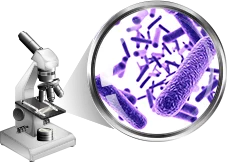
Lactobacillus Rhamnosus

1. Lactobacillus Rhamnosus

Supports a Healthy Vaginal Microbiome

Lactobacillus rhamnosus is one of the most extensively researched probiotic species for women's health.

Research shows that certain L. rhamnosus strains can help support a healthy vaginal balance. In one study, women who took L. rhamnosus GR-1 with L. fermentum RC-14 were more likely to develop a vaginal microbiome with more beneficial Lactobacillus bacteria.8

It's important to note that probiotic effects are strain-specific, so research on one L. rhamnosus strain shouldn't automatically be attributed to every strain.

What to look for: A formula that identifies the specific L. rhamnosus strain rather than simply listing the species.
2. Lactobacillus Acidophilus

2. Lactobacillus Acidophilus

Supports Microbiome & Vaginal Health

Lactobacillus acidophilus is another well-established probiotic species associated with women's health.

Lactobacilli help keep the vaginal microbiome balanced, especially when estrogen levels change during and after menopause.5

Research has also investigated L. acidophilus in postmenopausal women. A 2024 randomized clinical trial found that 12 weeks of supplementation with L. acidophilus did appear to influence bone-turnover measures and body-fat outcomes.9

Editor’s Tip: Look for a formula that pairs L. rhamnosus HN001™ with L. acidophilus La-14® — two clinically studied strains shown to support a healthy vaginal microbiome. In clinical trials, women taking the combination for two weeks showed increased levels of these beneficial Lactobacillus strains in vaginal samples.

Our top pick does exactly that, combining L. rhamnosus HN001™ and L. acidophilus La-14® in the HOWARU® Feminine Health blend.

3. Bifidobacterium lactis

3. Bifidobacterium lactis

Supports Digestive & Metabolic Health

Bifidobacterium lactis belongs to one of the major groups of beneficial bacteria found in the human gut.

Some probiotic strains have been studied for weight and metabolic health. One example is Bifidobacterium animalis subsp. lactis B420™, which has been studied for its potential role in gut health and body-fat management.6

A six-month randomized controlled trial found that B420 supplementation, with or without a prebiotic, altered gut microbiota and metabolic measures in overweight adults.6

Again, the distinction between strains matters.

B. lactis B420 is not simply interchangeable with every product labeled “Bifidobacterium lactis.”

That's why we give extra consideration to formulas that identify clinically studied strains.

4. Lactobacillus Gasseri

4. Lactobacillus Gasseri

Supports Healthy Metabolism

Lactobacillus gasseri has attracted particular interest for metabolic and body-composition research.

Human clinical trials have investigated specific L. gasseri strains for their effects on belly fat and body composition, including randomized controlled research involving L. gasseri SBT2055.10

For women over 50, menopause can make maintaining a healthy weight more challenging as estrogen levels and body composition change. However, we don't believe a probiotic should be marketed as a “weight-loss pill.”

Instead, we look for formulas that provide microbiome support as part of an overall healthy-aging strategy.

1. Chromium Picolinate

As women enter perimenopause and menopause, we often notice an increase in insulin resistance, leading to hormonal weight gain.40 Research shows that chromium picolinate can help improve insulin sensitivity, making it easier for our bodies to handle sugar. It can also assist in metabolizing carbohydrates, fats, and proteins and even help maintain lean body mass.41,42

Look for a women’s probiotic supplement containing Chromax®, a patented form of chromium picolinate. Chromax is 15X more43 bioavailable than other forms of chromium picolinate on the market. Thirty-five human clinical trials support its benefits for weight management, appetite control, and better absorption compared to generic forms of chromium picolinate.

2. Cranberry Extract

Studies have shown that cranberry extract supports bladder health and function. This fruit contains proanthocyanidins (PACs) which can prevent E. coli bacteria from adhering to the urinary tract walls, thereby reducing the risk of UTIs in post-menopausal women and those with recurrent UTIs.44

3. D-mannose

D-mannose is a type of sugar related to glucose that occurs naturally in your body and is also found in some plants in the form of starch. A meta-analysis review of studies concluded that it can help reduce urinary tract infection (UTI) recurrence in adult women and has comparable results to antibiotics but fewer side effects. It is thought to work by preventing bacteria from adhering to the walls of the urinary tract, allowing them to be flushed out more easily.45,46

Recently scientists have been researching the role of D-mannose in combination with vaginal estrogen therapy (VET) and its beneficial effect on recurrent UTIs in postmenopausal women. Additionally, studies have indicated the potential for D-mannose to improve bone mineral density (BMD) and overall bone health.47

4. Hibiscus Flower Extract

Hibiscus has long been hailed for offering a variety of health benefits, specifically in the extract format. Studies have suggested that Hibiscus extract can help with healthy weight management and help protect against obesity. It has been shown to have powerful antioxidant benefits that help fight the growth of bacteria and support heart and liver health.48-51

A Good Probiotic for omen 50+Can Help Support:

Healthy Digestion3

Microbiome Diversity3,4

Vaginal Microbiome Health5

Promote urinary tract health

Healthy Metabolism6

Healthy Aging4

Healthy Bone Support1,2

Immune System Health

Healthy Mood & Stress Response

Menopause & Postmenopause Support7

Menopause Changes More Than Your Hormones

Menopause is more than one event. It’s a transition that can affect the whole body.

Declining estrogen is associated with changes in body composition, bone metabolism, vaginal health, sleep, mood, and metabolic health. Researchers are increasingly studying how the gut microbiome interacts with these changes.1,2

A 2025 review specifically examining the gut microbiome during menopause concluded that declining estrogen appears to influence the microbiota and may contribute to differences in metabolic health, bone health, and other menopause-related concerns.1

And a 2026 systematic review found that probiotic use during the menopause transition showed potential benefits in areas including menopausal symptoms, urogenital health, and bone health, although researchers emphasized that more high-quality evidence is needed.7

In other words: Your microbiome deserves attention during this stage of life, too.

3 Things To AVOIDWhen Buying A Probiotic for Women Over 50

1. GENERIC STRAINS WITH NO CLINICAL RESEARCH

A label that simply says “Lactobacillus” or “Bifidobacterium” doesn't tell you much.

Different strains of the same species can behave differently in the body and have different clinical evidence behind them.

Look for formulas that identify specific strains whenever possible.

2. A ONE-SIZE-FITS-ALL FORMULA

Women over 50 have different priorities than women in their 20s or 30s.

A thoughtful formula should consider the changes that commonly accompany midlife and healthy aging, including digestive health, microbiome balance, vaginal health, and metabolic health.

We prefer formulas that combine multiple complementary probiotic strains rather than relying on a single organism.

3. HIGH CFUs WITHOUT STRAIN DIVERSITY

It's easy to assume that more CFUs automatically means a better probiotic.

It doesn't.

The number of bacteria matters, but so does which bacteria you're taking.

A product with 100 billion CFUs isn't necessarily better than one with 30 or 50 billion if the strains aren't well selected or clinically studied.

We look at strain diversity, strain specificity, clinical research, delivery technology, and overall formulation, not just the number printed on the front of the bottle.

Top 5 Essential Criteria For A Quality Probiotic for Women 50+

Top 4 Herbs and Vitamins forWomen's Health

Top 4 Herbs andVitamins forWomen's Health

The Top 5 Probiotic Supplements for Women Over 50Probiotic Supplements

Our review encompassed 68 probiotic supplements, putting each through our Review Scout assessment process. We considered strain diversity, clinical research, formulation, predicted effectiveness, safety, value, return policy, and customer satisfaction.

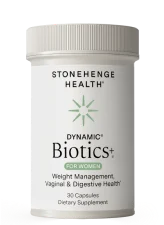
#1 Stonehenge Health Dynamic Biotics+ For Women

Stonehenge Health
A+Overall Grade

#1 Stonehenge Health Dynamic Biotics+ For Women

  • OVERALL RATING9.7/10
  • Predicted Effectiveness9.8/10
  • Ingredient Quality9.7/10
  • Value9.5/10
  • Return Policy9.8/10
  • User Rating9.7/10
PROS
  • 24 diverse probiotic strains

  • 70 billion CFUs

  • Includes L. rhamnosus, L. acidophilus, B. lactis B420 and L. gasseri

  • Includes prebiotic NutraFlora®

  • Includes additional ingredients selected for women's health

  • Delayed-release vegetarian capsules

  • Aptar CSP packaging technology

  • Non-GMO, vegan, gluten- and soy-free

  • 90-day money-back guarantee

  • Manufactured in USA

CONS
  • Often out of stock due to high demand

Why We Chose It

Stonehenge Health Dynamic Biotics+ For Women is our top choice for women over 50.

What immediately stood out to us was the combination of 24 probiotic strains and 70 billion CFUs, including four strains particularly relevant to our women's-health criteria: L. rhamnosus HN001™, L. acidophilus La-14™, Bifidobacterium animalis subsp. lactis B420™ and L. gasseri.

That broad formulation is particularly appealing for women entering or moving beyond menopause, when the microbiome is changing alongside declining estrogen levels.1,2

We also liked the addition of NutraFlora® prebiotic fiber, which provides a food source for beneficial bacteria.

Rather than positioning probiotics as a cure for menopause, we believe the better approach is to provide daily microbiome support alongside the other foundations of healthy aging.

Dynamic Biotics+ For Women does that with a combination of probiotic diversity, prebiotic support, and additional ingredients selected specifically for women's needs.

The formula also uses delayed-release capsules and moisture-protective packaging designed to help protect the probiotic cultures.

For women 50 and over who want one comprehensive daily probiotic, this is the formula that stood out to us most.

*Results are based on user-generated experiences with these products, and individual results may vary. Please refer to the manufacturer’s product website for detailed information.

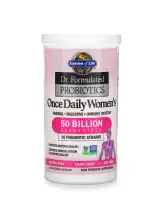
#2 Garden of Life Once Daily Women's Probiotics

Garden of Life Once Daily Women's Probiotics
A-Overall Grade

#2 Garden of Life Once Daily Women's Probiotics

  • OVERALL RATING8.7/10
  • Predicted Effectiveness9.1/10
  • Ingredient Quality8.8/10
  • Value8.2/10
  • Return Policy8.8/10
  • User Rating8.6/10
PROS
  • 16 Diverse Probiotic Strains

  • 50 Billion CFUs

  • Includes L. rhamnosus, L. acidophilus, bifidobacterium lactis and L. gasseri

  • Once-daily capsule

  • Vegetarian capsules

  • Non-GMO

  • Dairy- and soy-free

CONS
  • Does not contain B. lactis B420

  • No dedicated prebiotic blend

  • Does not include additional ingredients specifically selected for women over 50

Why We Chose It

Garden of Life's Once Daily Women's Probiotics provides a solid combination of probiotic diversity and potency.

We especially liked that it includes the four probiotic groups we prioritized in our research: L. rhamnosus, L. acidophilus, B. lactis and L. gasseri.

However, it doesn't provide the same level of formulation specificity as our #1 pick. It lacks B. lactis B420 and doesn't include the additional prebiotic and women's-health ingredients found in Dynamic Biotics+ For Women.

*Results are based on user-generated experiences with these products, and individual results may vary. Please refer to the manufacturer’s product website for detailed information.

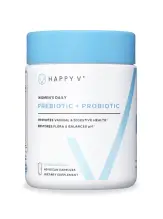
#3 Happy V Women's Daily Prebiotic + Probiotic

Happy V Women's Daily Prebiotic + Probiotic
B-Overall Grade

#3 Happy V Women's Daily Prebiotic + Probiotic

  • OVERALL RATING7.6/10
  • Predicted Effectiveness8.8/10
  • Ingredient Quality8.3/10
  • Value6.8/10
  • Return Policy6.1/10
  • User Rating7.8/10
PROS
  • Includes L. rhamnosus, L. acidophilus, bifidobacterium lactis, and L. gasseri

  • Includes a prebiotic

  • Delayed-release Veggie capsules

  • Non-GMO

  • Gluten- and dairy-free

CONS
  • Only 7 probiotic strains

  • 20 Billion CFUs

  • No additional ingredients specifically targeted toward healthy aging

  • Two capsules per day

Why We Chose It

Happy V Women's Daily Prebiotic + Probiotic caught our attention because it combines probiotics with a prebiotic and includes all four of the probiotic groups we prioritized.

However, the formula contains considerably fewer strains and fewer CFUs than our top selections.

For women over 50 looking for a more comprehensive microbiome formula, we prefer greater strain diversity and a broader formulation designed around the changes associated with menopause and healthy aging.

*Results are based on user-generated experiences with these products, and individual results may vary. Please refer to the manufacturer’s product website for detailed information.

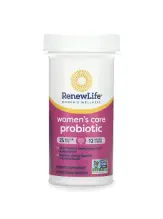
#4 Renew Life Women's Care Probiotic

Renew Life Women's Care Probiotic
C+Overall Grade

#4 Renew Life Women's Care Probiotic

  • OVERALL RATING7.2/10
  • Predicted Effectiveness6.7/10
  • Ingredient Quality7.1/10
  • Value6.6/10
  • Return Policy8.8/10
  • User Rating6.8/10
PROS
  • Includes L. rhamnosus, L. acidophilus, and B. lactis

  • 12 probiotic strains

  • 25 billion CFUs

  • Delayed-release capsules

  • Non-GMO

  • Dairy- and soy-free

  • Amber glass bottle

CONS
  • Does not include L. gasseri

  • 12 strains

  • 25 billion CFUs

  • No prebiotic

  • No additional ingredients specifically targeted toward women over 50

Why We Chose It

Renew Life Women's Care Probiotic includes three of the four probiotic groups we prioritized.

We also liked its delayed-release capsule and amber-glass packaging.

However, compared with our top selections, it provides fewer strains and a lower CFU count. It also doesn't include a prebiotic or additional ingredients specifically chosen to address the broader needs of women in midlife and beyond.

*Results are based on user-generated experiences with these products, and individual results may vary. Please refer to the manufacturer’s product website for detailed information.

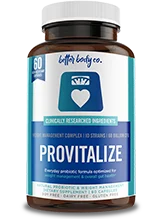
#5 Provitalize

Provitalize
DOverall Grade

#5 Provitalize

  • OVERALL RATING6.7/10
  • Predicted Effectiveness6.5/10
  • Ingredient Quality7.2/10
  • Value6.2/10
  • Return Policy7.5/10
  • User Rating6.2/10
PROS
  • High CFU Count

  • Includes L. gasseri and Bifidobacterium lactis

  • Delayed-Release Capsules

  • Soy-, dairy- and gluten-free

CONS
  • Limited strain diversity

  • Does not include L. rhamnosus or L. acidophilus

  • No prebiotic

  • Does not contain Prebiotics

  • Two capsules per day

  • Limited breadth of wwomen's-health ingredients

Why We Chose It

Provitalize has built a strong following among women interested in probiotics during menopause.

We liked its high CFU count and inclusion of L. gasseri and B. lactis.

However, our research led us to favor formulas with greater strain diversity and all four of our priority probiotic groups.

For women over 50 who want broader microbiome support, we believe the other formulas on our list offer a more comprehensive approach.

*Results are based on user-generated experiences with these products, and individual results may vary. Please refer to the manufacturer’s product website for detailed information.
Citations
  1. Effect Of Probiotics On Body Weight And Body-Mass Index: A Systematic Review And Meta-analysis of Randomized, Controlled Trials”. 2021. International Journal Of Food Sciences And Nutrition. https://www.tandfonline.com/doi/abs/10.1080/09637486.2016.1181156.
  2. Mekkes, M C et al. “The development of probiotic treatment in obesity: a review.” Beneficial microbes vol. 5,1 (2014): 19-28. doi:10.3920/BM2012.0069
  3. Omar, Jaclyn M., Yen-Ming Chan, Mitchell L. Jones, Satya Prakash, and Peter J.H. Jones. 2013. “Lactobacillus Fermentum And Lactobacillus Amylovorus As Probiotics Alter Body Adiposity And Gut Microflora In Healthy Persons”. Journal Of Functional Foods 5 (1): 116-123.
  4. Kadooka, Y et al. “Regulation of abdominal adiposity by probiotics (Lactobacillus gasseri SBT2055) in adults with obese tendencies in a randomized controlled trial.” European journal of clinical nutrition vol. 64,6 (2010): 636-43. doi:10.1038/ejcn.2010.19
  5. Ribeiro, F C et al. “Action mechanisms of probiotics on Candida spp. and candidiasis prevention: an update.” Journal of Applied Microbiology vol. 129,2 (2020): 175-185. doi:10.1111/jam.14511
  6. Muhleisen, Alicia L., and Melissa M. Herbst-Kralovetz. 2016. “Menopause And The Vaginal Microbiome”. Maturitas 91: 42-50.
  7. Cheng, Jing, and Arthur C. Ouwehand. 2020. “Gastroesophageal Reflux Disease And Probiotics: A Systematic Review”. Nutrients 12 (1): 132.
  8. Allen, Stephen J, Elizabeth G Martinez, Germana V Gregorio, and Leonila F Dans. 2010. “Probiotics For Treating Acute Infectious Diarrhoea”. Cochrane Database Of Systematic Reviews.
  9. Guandalini, Stefano. 2011. “Probiotics For Prevention And Treatment Of Diarrhea”. Journal Of Clinical Gastroenterology 45: S149-S153.
  10. Miller, Larry E et al. “Contemporary meta-analysis of short-term probiotic consumption on gastrointestinal transit.” World journal of gastroenterology vol. 22,21 (2016): 5122-31. doi:10.3748/wjg.v22.i21.5122
  11. Hungin, A P S et al. “Systematic review: probiotics in the management of lower gastrointestinal symptoms in clinical practice — an evidence-based international guide.” Alimentary pharmacology & therapeutics vol. 38,8 (2013): 864-86. doi:10.1111/apt.12460
  12. Lee, Sol et al. “The Effect of Lactobacillus gasseri BNR17 on Postmenopausal Symptoms in Ovariectomized Rats.” Journal of microbiology and biotechnology vol. 31,9 (2021): 1281-1287. doi:10.4014/jmb.2105.05032
  13. Wang, Huiying et al. “Effect of Probiotics on Central Nervous System Functions in Animals and Humans: A Systematic Review.” Journal of Neurogastroenterology and motility vol. 22,4 (2016): 589-605. doi:10.5056/jnm16018
  14. Steenbergen, Laura et al. “A randomized controlled trial to test the effect of multispecies probiotics on cognitive reactivity to sad mood.” Brain, behavior, and immunity vol. 48 (2015): 258-64. doi:10.1016/j.bbi.2015.04.003
  15. Szydłowska I;Marciniak A;Brodowska A;Loj B;Ciećwież S;Skonieczna-Żydecka K;Palma J;Łoniewski I;Stachowska E; 2024. “Effects of Probiotics Supplementation on the Hormone and Body Mass Index in Perimenopausal and Postmenopausal Women Using the Standardized Diet. A 5-Week Double-Blind, Placebo-Controlled, and Randomized Clinical Study.” European Review for Medical and Pharmacological Sciences. U.S. National Library of Medicine.
  16. Zou, Siying et al. “Association of probiotic ingestion with serum sex steroid hormones among pre- and postmenopausal women from the NHANES, 2013-2016.” PloS one vol. 18,11 e0294436. 16 Nov. 2023, doi:10.1371/journal.pone.0294436
  17. Ritchie, Marina L., and Tamara N. Romanuk. 2012. “A Meta-Analysis Of Probiotic Efficacy For Gastrointestinal Diseases”. Plos ONE 7 (4): e34938.
  18. Ashraf, Rabia, and Nagendra P. Shah. 2014. Critical Reviews in Food Science and Nutrition 54 (7): 938–56.
  19. Blum, S., Haller, D., Pfeifer, A. et al. Probiotics and immune response. Clinic Rev Allerg Immunol 22, 287–309 (2002).
  20. Pediatrics, Department of. 2024. “Probiotics and Immune Health : Current Opinion in Gastroenterology.” LWW.
  21. Fenster, Kurt et al. “The Production and Delivery of Probiotics: A Review of a Practical Approach.” Microorganisms vol. 7,3 83. 17 Mar. 2019, doi:10.3390/microorganisms7030083.
  22. Choi, Béatrice S-Y et al. “Lacticaseibacillus rhamnosus HA-114 improves eating behaviors and mood-related factors in adults with overweight during weight loss: a randomized controlled trial.” Nutritional neuroscience vol. 26,7 (2023): 667-679. doi:10.1080/1028415X.2022.2081288
  23. Sanchez, Marina et al. “Effect of Lactobacillus rhamnosus CGMCC1.3724 supplementation on weight loss and maintenance in obese men and women.” The British journal of nutrition vol. 111,8 (2014): 1507-19. doi:10.1017/S0007114513003875
  24. Bravo, Javier A et al. “Ingestion of Lactobacillus strain regulates emotional behavior and central GABA receptor expression in a mouse via the vagus nerve.” Proceedings of the National Academy of Sciences of the United States of America vol. 108,38 (2011): 16050-5. doi:10.1073/pnas.1102999108
  25. Slykerman, R F et al. “Effect of Lactobacillus rhamnosus HN001 in Pregnancy on Postpartum Symptoms of Depression and Anxiety: A Randomised Double-blind Placebo-controlled Trial.” EBioMedicine vol. 24 (2017): 159-165. doi:10.1016/j.ebiom.2017.09.013
  26. Zheng, Yan et al. “Lactobacillus rhamnosus Probio-M9 Improves the Quality of Life in Stressed Adults by Gut Microbiota.” Foods (Basel, Switzerland) vol. 10,10 2384. 8 Oct. 2021, doi:10.3390/foods10102384
  27. Ansari, AbuZar et al. “Lactobacillus Probiotics Improve Vaginal Dysbiosis in Asymptomatic Women.” Nutrients vol. 15,8 1862. 13 Apr. 2023, doi:10.3390/nu15081862
  28. Kailasapathy, K, and J Chin. “Survival and therapeutic potential of probiotic organisms with reference to Lactobacillus acidophilus and Bifidobacterium spp.” Immunology and cell biology vol. 78,1 (2000): 80-8. doi:10.1046/j.1440-1711.2000.00886.x
  29. Celebi, Ozgur et al. “Effect of the combination of Lactobacillus acidophilus (probiotic) with vitamin K3 and vitamin E on Escherichia coli and Staphylococcus aureus: An in vitro pathogen model.” Molecular medicine reports vol. 27,6 (2023): 119. doi:10.3892/mmr.2023.13006
  30. Spaggiari, Luca et al. “Lactobacillus acidophilus, L. plantarum, L. rhamnosus, and L. reuteri Cell-Free Supernatants Inhibit Candida parapsilosis Pathogenic Potential upon Infection of Vaginal Epithelial Cells Monolayer and in a Transwell Coculture System In Vitro.” Microbiology spectrum vol. 10,3 (2022): e0269621. doi:10.1128/spectrum.02696-21
  31. De Alberti, Davide et al. “Lactobacilli vaginal colonisation after oral consumption of Respecta(®) complex: a randomised controlled pilot study.” Archives of gynecology and obstetrics vol. 292,4 (2015): 861-7. doi:10.1007/s00404-015-3711-4
  32. Russo, Rosario et al. “Study on the effects of an oral lactobacilli and lactoferrin complex in women with intermediate vaginal microbiota.” Archives of gynecology and obstetrics vol. 298,1 (2018): 139-145. doi:10.1007/s00404-018-4771-z
  33. Russo, R et al. “Evidence-based mixture containing Lactobacillus strains and lactoferrin to prevent recurrent bacterial vaginosis: a double blind, placebo controlled, randomised clinical trial.” Beneficial microbes vol. 10,1 (2019): 19-26. doi:10.3920/BM2018.0075
  34. Uusitupa, Henna-Maria et al. “Bifidobacterium animalis subsp. lactis 420 for Metabolic Health: Review of the Research.” Nutrients vol. 12,4 892. 25 Mar. 2020, doi:10.3390/nu12040892
  35. Stenman, Lotta K et al. “Probiotic With or Without Fiber Controls Body Fat Mass, Associated With Serum Zonulin, in Overweight and Obese Adults-Randomized Controlled Trial.” EBioMedicine vol. 13 (2016): 190-200. doi:10.1016/j.ebiom.2016.10.036
  36. Miyoshi, Masaya et al. “Anti-obesity effect of Lactobacillus gasseri SBT2055 accompanied by inhibition of pro-inflammatory gene expression in the visceral adipose tissue in diet-induced obese mice.” European journal of nutrition vol. 53,2 (2014): 599-606. doi:10.1007/s00394-013-0568-9
  37. Kadooka, Yukio et al. “Effect of Lactobacillus gasseri SBT2055 in fermented milk on abdominal adiposity in adults in a randomized controlled trial.” The British journal of nutrition vol. 110,9 (2013): 1696-703. doi:10.1017/S0007114513001037
  38. Kim, Joohee et al. “Lactobacillus gasseri BNR17 Supplementation Reduces the Visceral Fat Accumulation and Waist Circumference in Obese Adults: A Randomized, Double-Blind, Placebo-Controlled Trial.” Journal of medicinal food vol. 21,5 (2018): 454-461. doi:10.1089/jmf.2017.3937
  39. Parvaneh, Kolsoom et al. “Effect of probiotics supplementation on bone mineral content and bone mass density.” TheScientificWorldJournal vol. 2014 595962. 22 Jan. 2014, doi:10.1155/2014/595962
  40. Whitcroft S, Herriot A. Insulin resistance and management of the menopause: a clinical hypothesis in practice. Menopause Int. 2011 Mar;17(1):24-8. doi: 10.1258/mi.2011.011003. PMID: 21427422.
  41. Tian, Hongliang et al. “Chromium picolinate supplementation for overweight or obese adults.” The Cochrane database of systematic reviews vol. 2013,11 CD010063. 29 Nov. 2013, doi:10.1002/14651858.CD010063.pub2
  42. Havel PJ. A scientific review: the role of chromium in insulin resistance. Diabetes Educ. 2004;Suppl:2-14. PMID: 15208835.
  43. Anderson, R.A., Polansky, M.M. and Bryden, N.A. 2004. Stability and absorption of chromium and absorption of chromium histidinate complexes by humans. Biological Trace Elements Research. 101:211-218
  44. Gupta, K., M.Y. Chou, A. Howell, C. Wobbe, R. Grady, and A.E. Stapleton. 2007. Journal of Urology 177 (6): 2357–60.
  45. Lenger, Stacy M et al. “D-mannose vs other agents for recurrent urinary tract infection prevention in adult women: a systematic review and meta-analysis.” American journal of obstetrics and gynecology vol. 223,2 (2020): 265.e1-265.e13. doi:10.1016/j.ajog.2020.05.048
  46. Wagenlehner, Florian et al. “Why D-mannose May Be as Efficient as Antibiotics in the Treatment of Acute Uncomplicated Lower Urinary Tract Infections-Preliminary Considerations and Conclusions from a Non-Interventional Study.” Antibiotics (Basel, Switzerland) vol. 11,3 314. 25 Feb. 2022, doi:10.3390/antibiotics11030314
  47. Gu, Ranli et al. “D-mannose prevents bone loss under weightlessness.” Journal of translational medicine vol. 21,1 8. 9 Jan. 2023, doi:10.1186/s12967-022-03870-1
  48. Hsia, G. Rush, P. Thornalley, T.H. Tseng, F. Ursini, et al. 1998. “Protective Effects of Dried Flower Extracts of Hibiscus Sabdariffa L. against Oxidative Stress in Rat Primary Hepatocytes.” Food and Chemical Toxicology. Pergamon. February 25.
  49. S. Bluher, et al. 2007. “Hibiscus Sabdariffa L. Water Extract Inhibits the Adipocyte Differentiation through the PI3-K and MAPK Pathway.” Journal of Ethnopharmacology. Elsevier. August 19.
  50. Chang HC;Peng CH;Yeh DM;Kao ES;Wang CJ; 2024. “Hibiscus Sabdariffa Extract Inhibits Obesity and Fat Accumulation, and Improves Liver Steatosis in Humans.” Food & Function. U.S. National Library of Medicine.
  51. Mohamed-Salem, Reda et al. “Aqueous extract of Hibiscus sabdariffa inhibits pedestal induction by enteropathogenic E. coli and promotes bacterial filamentation in vitro.” PloS one vol. 14,3 e0213580. 8 Mar. 2019, doi:10.1371/journal.pone.0213580
  52. “NUTRAFLORA® Prebiotic Fiber”. Ingredion.Com. https://www.ingredion.com/na/en-us/ingredients/ingredient-product-families/nutraflora-prebiotic-fiber.html.
  53. Carlson, Justin L et al. “Prebiotic Dietary Fiber and Gut Health: Comparing the in Vitro Fermentations of Beta-Glucan, Inulin and Xylooligosaccharide.” Nutrients vol. 9,12 1361. 15 Dec. 2017, doi:10.3390/nu9121361
  54. Tandon D, Haque MM, Gote M, et al. A prospective randomized, double-blind, placebo-controlled, dose-response relationship study to investigate efficacy of fructo-oligosaccharides (FOS) on human gut microflora. Sci Rep. 2019;9(1):5473. Published 2019 Apr 2. doi:10.1038/s41598-019-41837-3
  55. Reimer RA, Soto-Vaca A, Nicolucci AC, et al. Effect of chicory inulin-type fructan-containing snack bars on the human gut microbiota in low dietary fiber consumers in a randomized crossover trial. Am J Clin Nutr. 2020;111(6):1286-1296. doi:10.1093/ajcn/nqaa074
  56. Abe, Fumiaki, Hirofumi Miyauchi, Ayako Uchijima, et al. Effects Of Storage Temperature And Water Activity On The Survival Of Bifidobacteria In Powder Form. International Journal Of Dairy Technology 62 (2): 234-239.https://doi.org/10.1111/j.1471-0307.2009.00464.x
  57. https://csptechnologies.com/markets-served/probiotics-nutraceuticals/